

How to Clean Pigeon Poop Off a Balcony
For a few accessible pigeon droppings on an open balcony, the basic approach is to gently dampen the material, collect it without creating dust, and clean the surface with a suitable detergent. Disinfection, where appropriate, is a separate step that must follow the product label. Large accumulations, difficult access and enclosed spaces call for professional assessment.
Before starting, check both the condition of the droppings and the balcony surface. Concrete, waterproof coatings, timber and painted metal may need different cleaning products. A method that removes a stain can still damage the finish underneath.
Before Cleaning: Assess the Amount and Location
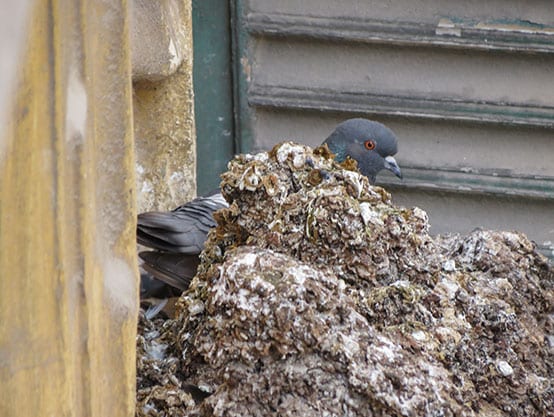
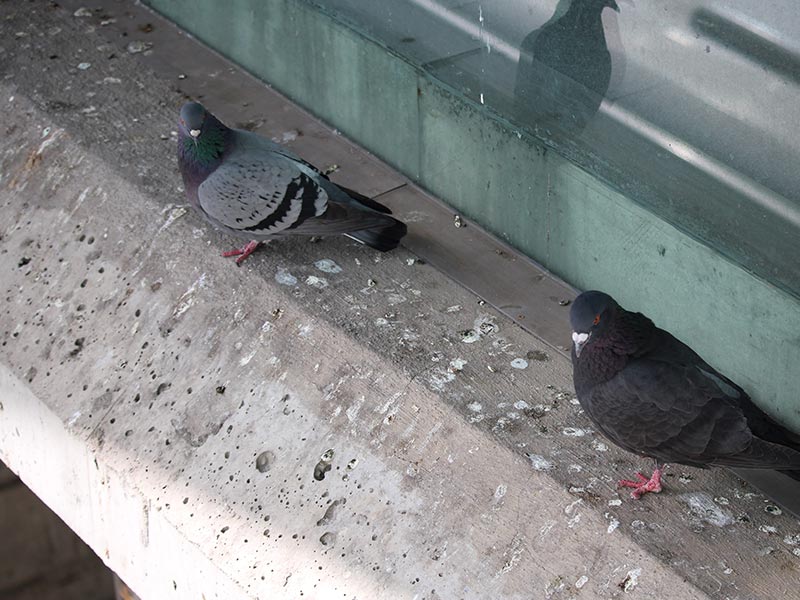
A few isolated droppings on an accessible outdoor floor are a different task from layers of material beneath a long-established roost. Do not assume that household cleaning equipment is suitable for every situation.
When to Arrange Professional Cleanup
- Droppings form a thick layer or cover a large area.
- The material is in an enclosed space or around ventilation equipment.
- Cleaning would require leaning over a railing, climbing or working at height.
- You cannot contain dust, debris or wastewater.
- You are unsure about the contamination or the protective equipment required.
People with weakened immune systems should avoid this work and arrange assistance. The CDC recommends specialist cleanup for large amounts of bird or bat droppings.
If birds are actively nesting, do not disturb the nest or block access to dependent young. Obtain appropriate wildlife advice before cleaning around the nest or installing exclusion equipment.
Why Dust Control Matters
Disturbing contaminated material can release airborne particles. Histoplasmosis is associated with inhaling fungal spores from the environment, including contaminated soil enriched by bird or bat droppings. The presence of a few droppings does not establish that this fungus is present.
The Canadian Centre for Occupational Health and Safety explains the exposure risks. Avoid dry sweeping, dry scraping and other methods that throw dust into the air.
How to Clean Small Amounts of Pigeon Poop Off a Balcony
The following guidance is for isolated, accessible deposits on an open balcony. It is not a procedure for a heavily contaminated roost or an enclosed area.
1. Check the Surface and Building Requirements
Identify the floor finish before choosing a cleaner. A balcony that looks like bare concrete may have a waterproof membrane, paint or a protective sealer.
Check the surface manufacturer’s care instructions and, in a rental or strata building, ask the property manager about cleaning restrictions and wastewater handling. Keep water and debris away from neighbouring balconies and public areas below.
2. Prepare the Area and Protective Equipment
Keep children and pets away while you work. Use gloves, closed footwear and clothing that protects exposed skin. Follow cleaning-product instructions for eye protection and other equipment.
A loose face covering is not a substitute for respiratory protection selected for the task. If dust exposure is likely or you are unsure what protection is needed, stop and seek professional advice. CDC guidance explains why respiratory protection depends on the exposure risk.
3. Gently Dampen the Droppings
Use a gentle application of water to dampen the material without splashing or creating runoff. Allow hardened deposits to soften before attempting removal.
Do not begin by sweeping or breaking up dry deposits. CDC guidance recommends wetting material to reduce dust before collection.
4. Collect the Softened Material
Lift the dampened deposits with disposable towels or a suitable plastic tool, taking care not to damage the finish. Keep the waste contained and follow local disposal requirements.
Do not push droppings over the balcony edge or wash solids into a drain. Do not use a household vacuum to collect the material.
5. Clean the Exposed Surface
Use a detergent approved for the surface, following its dilution instructions. Work gently with a non-abrasive tool and test an inconspicuous area first.
Remove cleaner residue as directed while controlling wastewater. Avoid pressure washing droppings on a residential balcony because it can spread contaminated spray and debris.
6. Finish and Wash Your Hands
Keep people off the area until it is dry and no longer slippery. Clean reusable tools appropriately, remove protective equipment carefully and wash your hands with soap and water.
For the underlying dust-control principles, see CDC guidance on handling accumulations of bird droppings.
How to Clean Pigeon Poop Off a Concrete Balcony
First determine whether the concrete is bare, sealed, painted or covered by a waterproof coating. Choose a cleaning product approved for that exact surface rather than assuming every concrete cleaner is suitable for a balcony.
- Dampen and collect the deposits before working on any remaining mark.
- Use the specified dilution and a brush that will not damage the finish.
- Test a small, hidden area before treating a visible section.
- Check product and coating instructions before using acidic or abrasive cleaners.
- Do not flood the balcony or direct dirty water towards adjoining properties.
If a mark remains, establish whether it is a stain or damage to the coating before using a stronger product. Repeated aggressive scrubbing may make a damaged finish worse. Ask your property manager or a surface-care professional when the finish is uncertain.
Cleaning Other Balcony Surfaces
| Surface | What to check |
|---|---|
| Wood or composite decking | Follow the decking manufacturer’s instructions. Avoid sharp scraping tools and unapproved soaking or chemical treatments. |
| Painted or coated metal | Use a product suitable for the coating. Do not assume that a cleaner safe for bare metal is safe for painted railings. |
| Tile and grout | Confirm compatibility with both the tile and grout. Natural stone, glazed tile and sealed grout may have different requirements. |
| Waterproof balcony membrane | Ask the building manager for approved cleaning products and tools. Avoid anything that could puncture or strip the membrane. |
| Outdoor cushions and fabric | Follow the care label and avoid shaking contaminated fabric. Seek specialist advice for heavily soiled porous items. |
Cleaning and Disinfecting Are Different Steps
Cleaning removes dirt and material from a surface. Disinfecting uses an appropriate product to kill specified microorganisms under the conditions stated on its label.
Where disinfection is appropriate, clean first, then use a product approved for the surface and intended use. Follow the required dilution, protective equipment, contact time and rinsing instructions. A fixed waiting time is not suitable for every disinfectant.
Do not assume that vinegar, baking soda or ordinary detergent disinfects the surface. Never mix cleaning chemicals, especially bleach with vinegar, acids or ammonia-based products.
Follow CDC guidance on cleaning before disinfection and following product labels. Household surface disinfection is not a substitute for specialist remediation of extensive contamination.
How to Stop Pigeon Poop Building Up Again
If pigeons keep returning, cleaning alone does not address the landing or roosting site. Look for the surface directly above the recurring mess and note where birds enter or shelter.
Block Access to the Balcony
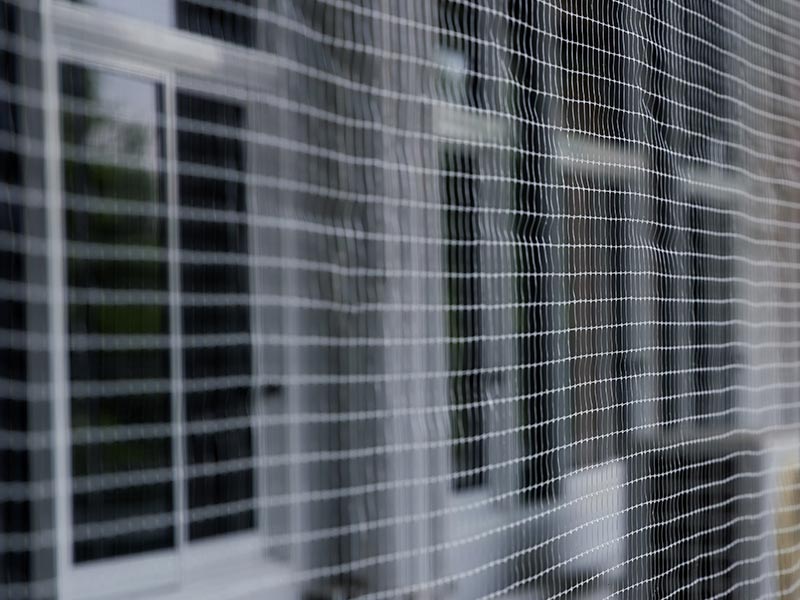
Where pigeons enter and use several parts of the balcony, properly planned bird netting can provide a physical barrier. The installation must account for secure edges, building access and birds already inside the space.
Protect Specific Perching Areas
Where the problem is a particular ledge, bird spikes may be suitable. They protect the covered surface rather than enclosing the entire balcony.
Remove Food and Unnecessary Shelter
Keep accessible food and rubbish contained, and reduce clutter that provides sheltered corners. Check the area regularly so repeat bird activity is noticed before another substantial buildup develops.
For help choosing between these approaches, read our guide to pigeon deterrents for balconies.
Frequently Asked Questions
How do I clean dried pigeon poop off a concrete balcony?
For a small, accessible deposit, dampen it gently before collection, then clean with a product approved for the concrete or its coating. Avoid dry scraping and sweeping. Thick accumulations or uncertain surface finishes need professional advice.
Can I sweep pigeon droppings off my balcony?
Do not sweep dry pigeon droppings. This can create airborne dust. Dampen small deposits before collecting them, and arrange specialist advice for extensive accumulations.
Does vinegar disinfect pigeon poop?
Do not rely on household vinegar to disinfect an area contaminated by pigeon droppings. Where disinfection is appropriate, clean first and follow the label of a suitable disinfectant.
Can I pressure wash pigeon poop off a balcony?
Avoid pressure washing droppings on a residential balcony. It can spread contaminated spray and debris to nearby areas. Use a controlled cleaning approach for small deposits or arrange specialist cleanup.
When should I hire a professional for pigeon-dropping removal?
Arrange professional assessment for large accumulations, enclosed spaces, unsafe access or situations where dust and wastewater cannot be controlled. People with weakened immune systems should avoid doing this work themselves.
How do I prevent pigeon droppings from returning?
Identify where pigeons land or enter, remove accessible food and consider suitable netting or anti-perching systems. Cleaning removes the existing mess; prevention addresses the birds’ access to the area.
Get Advice on Preventing Repeat Balcony Problems
Once the cleanup has been addressed, Pigeon Patrol can help you explore bird-control products and prevention options for your balcony.
Contact Pigeon Patrol about balcony pigeon prevention or call 1-877-466-2473.